
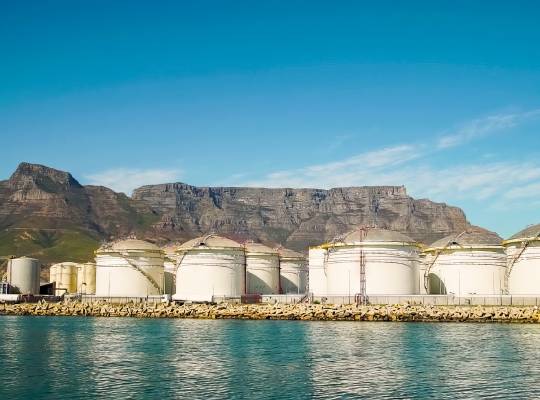
The downstream oil and gas sector functions within a landscape shaped by fluctuating markets, regulatory demands, and international trade shifts. Companies involved in processing and delivering petroleum products face a variety of risks that influence their efficiency, profitability, and long-term stability.
Through well-planned initiatives, downstream oil and gas businesses are able to reinforce their standing in an energy market that remains unpredictable.
Market volatility
Fluctuating crude oil prices and shifting consumer demand directly impact refining margins and product distribution. To manage this, downstream enterprises diversify product portfolios, hedge through financial instruments, and monitor market signals to reduce exposure to sudden swings.
Regulatory compliance
Downstream operations are closely monitored by regulatory bodies covering safety, environmental standards, and product specifications. Non-compliance leads to penalties, operational stoppages, and reputational damage. Enterprises reduce risk by investing in monitoring systems, updating procedures in line with new rules, and conducting regular audits to maintain accountability.
Supply chain disruptions
Pipeline breakdowns, shipping delays, or geopolitical tensions disrupt product flows. Enterprises strengthen logistics networks by diversifying transport channels, investing in storage capacity, and maintaining backup supply agreements. These strategies reduce the impact of sudden interruptions and maintain product availability.
Operational hazards
Refineries, storage facilities, and distribution terminals deal with complex processes where technical failures or accidents carry high consequences. To reduce these risks, companies adopt predictive maintenance systems, employee safety training, and real-time monitoring technologies. These measures improve efficiency while protecting both workforce and assets.
Financial exposure
Capital-intensive downstream projects face risks linked to currency fluctuations, interest rates, and credit defaults. Enterprises manage financial exposure by using hedging instruments, diversifying funding sources, and aligning investment timelines with projected cash flows. This disciplined approach improves stability in uncertain market cycles.
Technological adaptation
Digitalization introduces both opportunities and vulnerabilities. While automation and analytics increase efficiency, reliance on digital tools exposes companies to cyber threats. Risk management strategies include investing in cybersecurity frameworks, continuous monitoring of digital systems, and training staff to respond effectively to breaches. Risk management in downstream oil and gas enterprises covers market, regulatory, operational, financial, technological, and environmental aspects. Companies that actively implement strategies across these areas strengthen resilience and maintain stability in a rapidly changing energy landscape.
